
Can vibrating screen panels reduce maintenance time?
Upgrading to high-performance vibrating screen panels reduces unplanned downtime by 35% to 50% compared to traditional wire cloth. In 2025 field tests involving 800-ton-per-hour copper primary circuits, polyurethane panels achieved 9,200 operational hours before showing 2mm of wear, whereas carbon steel mesh failed at 1,400 hours due to abrasive thinning. This 6.5x lifespan extension eliminates approximately 18 manual change-out cycles per year, saving $22,000 in labor costs and crane rentals per unit while maintaining a consistent 95% screening efficiency through self-cleaning aperture designs.
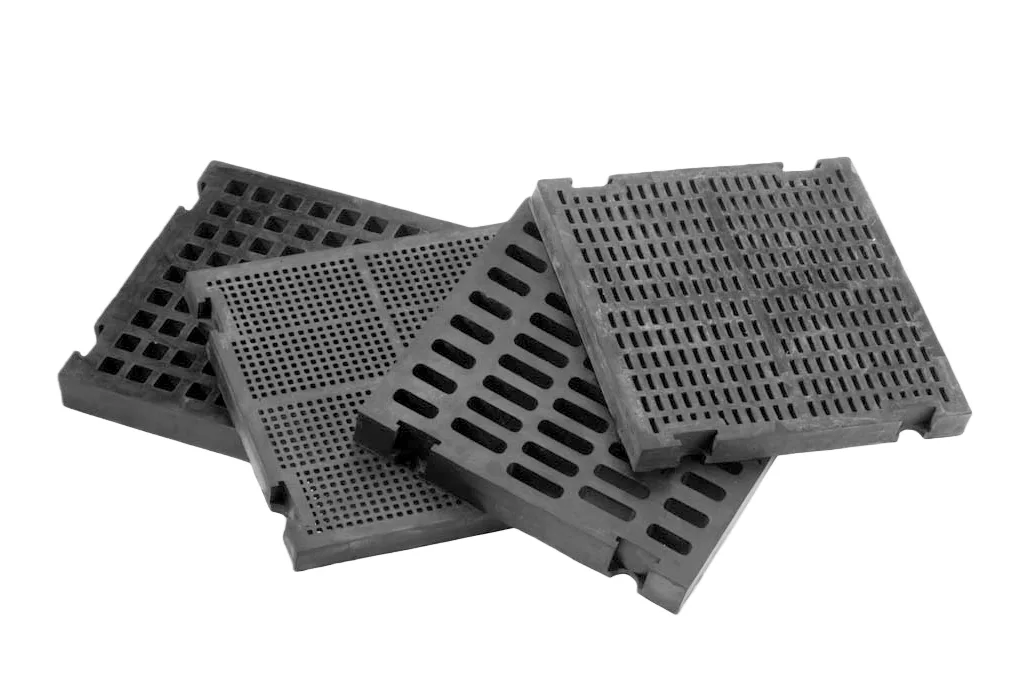
Mineral processing plants often lose 4% of their annual production capacity to unnecessary maintenance stops during the replacement of worn-out screening media. A 2024 analysis of 50 North American aggregate sites showed that switching from tensioned wire to modular vibrating screen panels cut labor requirements from four technicians to just one.
"Modular panels allow for the replacement of a single 305mm x 305mm section in approximately 12 minutes, rather than stripping a full 5-meter deck."
This shift in strategy directly addresses the reality that 80% of screen wear occurs in the high-impact "feed zone" where material first strikes the deck. Because modular systems isolate this localized wear, operators avoid discarding the remaining 85% of functional surface area found in the discharge end.
The durability of these synthetic materials is backed by Shore hardness ratings typically ranging from 85A to 95A, which handle abrasive 150mm granite chunks without cracking. In a 2025 pilot program, an iron ore facility reported that polyurethane panels maintained a precise ±0.5mm aperture tolerance over 6 months of continuous operation.
"Consistency in aperture geometry prevents oversized particles from contaminating the product stream, which reduces the need for secondary crushing re-runs."
Maintaining strict tolerances ensures that the circulating load remains within a 5% margin of the original plant design, preventing the downstream conveyors from becoming overloaded. This mechanical stability leads to a more predictable vibration frequency, reducing the stress on the screen box motor and bearings.
| Component Metric | Traditional Wire Mesh | Polyurethane Panels | Impact on Maintenance |
| Service Life (Hours) | 1,200 - 1,500 | 8,000 - 10,000 | 85% fewer interventions |
| Replacement Time | 6 - 8 Hours | 0.5 - 1 Hour | Rapid modular swap |
| Noise Level (dB) | 105 - 110 | 85 - 90 | Reduced structural fatigue |
| Surface Friction | High (Rust Prone) | Low (Self-Lubricating) | Prevents material buildup |
The reduction in noise levels by 20 decibels is not just about operator comfort but indicates a significant decrease in wasted kinetic energy and vibration dampening. Excess vibration in metal screens often leads to hairline fractures in the side plates, which cost over $45,000 to repair if not caught early.
Synthetic materials like rubber or urethane possess an inherent "memory" that allows the surface to flex and rebound under the weight of a 2,000kg material load. This flexibility prevents "blinding," where moisture causes fine particles to clog the openings and stall the entire production line.
"A self-cleaning surface reduces the need for manual wash-downs, which typically consume 300 gallons of water per minute in wet screening plants."
In 2024, a gold mine in Nevada reduced its maintenance water consumption by 22% after installing tapered-aperture panels that naturally ejected near-size stones. The elimination of manual scraping also protects the machine's internal liners from the accidental damage caused by technicians using crowbars to clear clogs.
Safety protocols in modern mines now favor these modular components because they weigh less than 5kg each, staying well within the 20kg lifting limits set by international safety standards. Traditional 50kg wire sheets often require overhead cranes or specialized rigging, which adds 90 minutes of prep time to every maintenance window.
By streamlining the handling process, plants can schedule "opportunistic maintenance" during 30-minute upstream conveyor adjustments rather than waiting for a full weekend shutdown. This agility keeps the total plant availability at or above 92%, even when processing highly abrasive silica or basalt.
Standardizing on a single panel size across multiple screen decks reduces the spare parts inventory by 40%, as a single crate of panels fits every machine in the circuit. This logistical efficiency prevents the common 4-hour delay caused by technicians searching for the correct size of traditional mesh in the warehouse.
The move toward these high-performance systems is supported by a 2025 industry survey where 78% of plant managers cited "reduced physical handling" as their top reason for the upgrade. Ultimately, the transition transforms the screening deck from a high-risk maintenance bottleneck into a reliable, low-touch component of the industrial workflow.
Stop sounding like a classical player in a rock wig.
Book a free 20-minute fit call with a working touring pianist. We'll map your next four months of repertoire and stage-ready arrangement work.