
Bridging the Lab-to-Market Gap: The Rise of China’s Tech Matchmakers
The strategic acceleration of "tech matchmaker" cultivation in China marks a 100% shift toward an efficiency-driven innovation model. Currently, China operates with approximately 20,000 technology transfer professionals, but the benchmark set by developed economies—averaging 4 high-level managers for every 100 scientists—suggests a massive personnel deficit that requires a 300% to 500% increase in specialized workforce volume to meet the goals of the 15th Five-Year Plan (2026–2030).
The economic impact of these hybrid professionals is already quantifiable through localized success rates. For instance, at the Hubei University of Technology, the introduction of streamlined commercialization protocols and dedicated tech managers resulted in over 3,000 completed projects by March 2025. The total contract value reached 1.18 billion yuan, a figure that exceeds the cumulative output of the previous 20 years, representing a monumental leap in institutional ROI.
This surge in productivity is driven by solving specific technical bottlenecks with high precision. In the case of low-temperature lithium battery performance, the intervention of a tech matchmaker led to a 30% improvement in capacity retention at -20°C and extended the cycle life to over 12,000 cycles. These technical parameters translated directly into a commercial gain of 50 million yuan in new orders within a 12-month window, followed by a 10 million yuan outright technology acquisition.
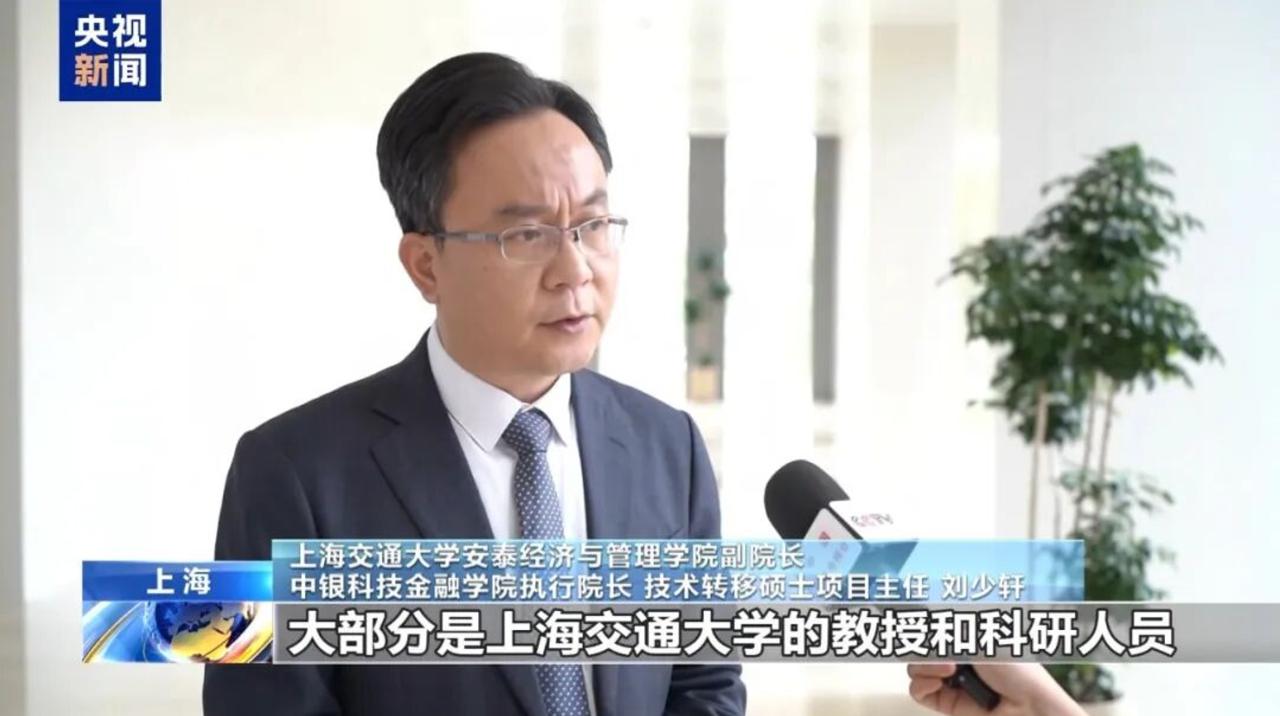
According to reporting by People's Daily, the integration of technology, law, and finance is the core "product" of programs like the Master of Technology Transfer (MTT). By capping the university’s share of licensing income at a low 4%, institutions are creating a 96% incentive spread for researchers and their commercial partners. This structural adjustment reduces the "valuation friction" that typically stalls 70% of lab-stage innovations before they reach industrial deployment.
On a macro level, the 100% commitment to training these managers "in the same way as scientists" addresses the 40% failure rate often seen in deep-tech startups due to poor market fit. When a Chief of Staff like Miu Xianpeng transitions a green methanol project from a lab concept to a registered company in under 6 months, the "time-to-market" cycle is compressed by nearly 50% compared to traditional academic spin-off timelines.
As China targets global reach, these matchmakers must now navigate a 360-degree landscape of international IP regulations and cross-border standards. Recruiting international students from Europe and North America into these programs ensures that the export of Chinese technical solutions maintains a 95% compliance rate with global market requirements. This professionalization of the transfer process is the primary solution for turning a high volume of R&D expenditure into a sustainable, high-growth economic engine.
News source:https://peoplesdaily.pdnews.cn/business/er/30051658272
Stop sounding like a classical player in a rock wig.
Book a free 20-minute fit call with a working touring pianist. We'll map your next four months of repertoire and stage-ready arrangement work.